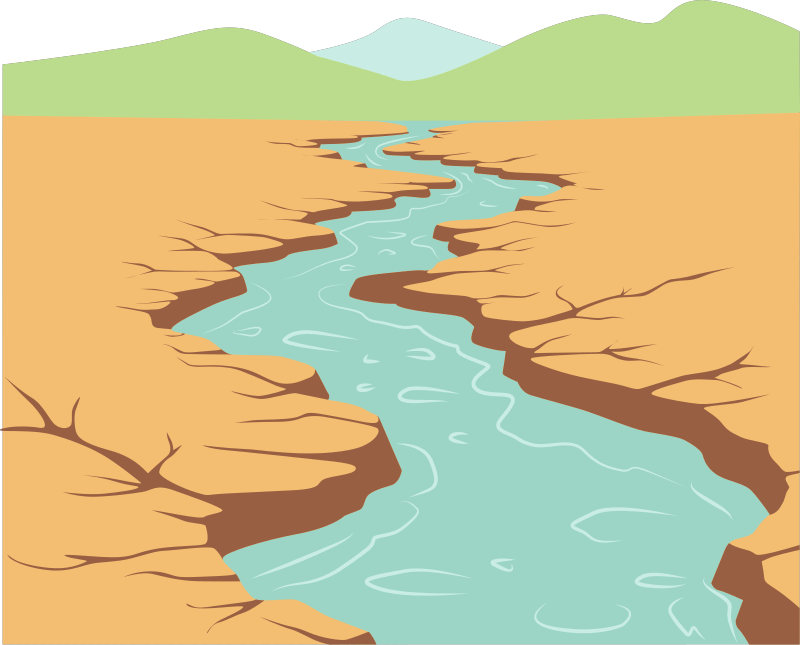
The Toxic Truth: Surviving Nigeria’s Water Crisis
Did you know that an estimated 9 to 13 million barrels of crude oil have spilled into the environment in Nigeria’s Niger Delta over the past 50 years? Imagine turning on your tap and knowing the water could slowly poison your family. For millions of people living in this region, this terrifying thought is an everyday reality. I wanted to use today’s post to dive deep into who is responsible, why the government is struggling, and how we can all help.
🛢 Who is Actually Responsible?
When we look at the severe water contamination in the Niger Delta, the blame falls heavily on the oil industry. For decades, international oil companies have failed to properly maintain their infrastructure, leading to massive, devastating leaks. Between 2015 and March 2021 alone, the National Oil Spill Detection and Response Agency (NOSDRA) documented 4,919 oil spills in the region, poisoning the water and soil. However, it is not just corporate neglect; official government statistics indicate that 88 percent of leaks across the Niger Delta between 2006 and 2019 were due to third-party interference or sabotage. This illegal bunkering creates a vicious cycle of toxic pollution that destroys the very rivers and streams communities rely on.

🏛 Why is the Government Failing to Fix It?
You might be wondering: why hasn’t the government stepped in to stop this ongoing environmental disaster? The truth is, governance in the region is highly fragmented, making effective, rapid action incredibly difficult. Environmental experts point out that the existing regulatory framework has not been fully effective due to weak enforcement, inadequate resources, and overlapping responsibilities among regulatory agencies. Furthermore, the government often lacks the technical and financial resources required to properly enforce environmental laws against powerful multinational corporations. This frustrating institutional paralysis means that polluted rivers stay polluted, and the local people are left to fend for themselves.

🏥 The Devastating Health Toll
The human cost of this water pollution is absolutely staggering and heartbreaking to witness. A landmark United Nations Environment Programme (UNEP) assessment found that in several communities, drinking water is contaminated with dangerously high concentrations of hydrocarbons, including instances where an 8cm layer of refined oil was floating directly on the groundwater. Residents are often forced to consume water laced with these pollutants, leading to severe, long-term health risks; research confirms that heavy metal bioconcentration in the Niger Delta constitutes a significant source of systemic toxicosis and is heavily implicated in the etiology of cancer. Furthermore, exposure to these heavy metals leads to severe bioaccumulation, causing cardiovascular diseases, kidney toxicity, and neurological disorders. Beyond the chemical poisoning, the lack of clean water and proper sanitation causes massive, deadly outbreaks of waterborne diseases like cholera and life-threatening diarrhea.
✊ How Communities are Fighting Back
“Grassroots organizations are building community-led sanitation initiatives. Some communities are even installing modern biodigesters.” — Community-led action, Bayelsa State.
🌱 Sustainable Solutions for the Future
01 Enforce the Law
02 Modern Infrastructure
03 Emergency Relief
04 Global Support
The Niger Delta’s Water Crisis Demands Our Attention. To sum things up, the Niger Delta’s water crisis is a tragic, complex mix of corporate negligence, government failure, and immense human suffering. But the fierce resilience of the local people proves that real change is possible.