
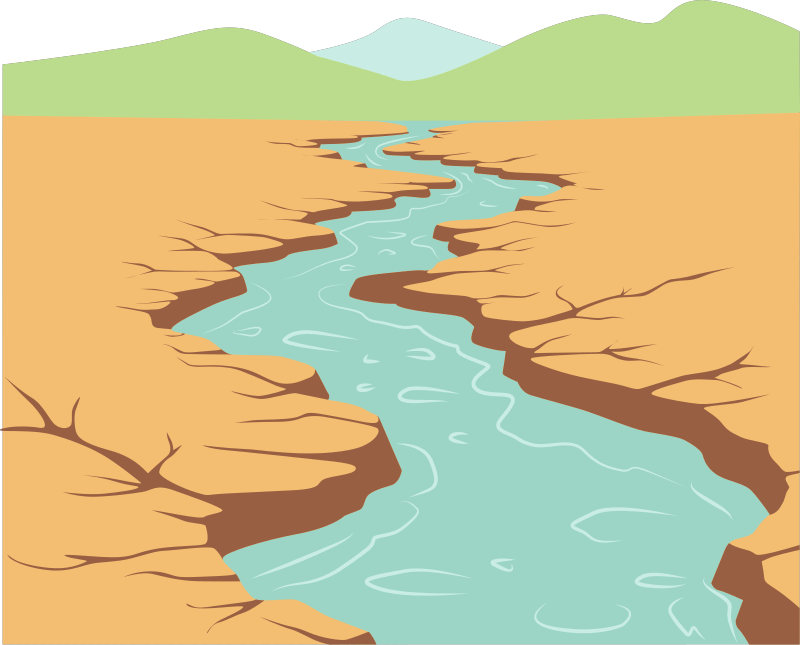
Controlled Spillage or Controlled Flooding? The Case of the Akosombo Dam
On September 12, 2023, the Volta River Authority (VRA) issued a press release announcing a “controlled spillage” of excess water from the Akosombo Dam. Three days passed before the spillage actually began on September 15, three days in which communities downstream could have been evacuated, warned, and protected. What followed was not a controlled event. It was a human catastrophe.
Was it really “controlled” if the streets of Mepe and Battor were submerged under floodwater? Imagine the havoc: homes swallowed overnight, families fleeing in the dark, a lifetime of work washed away in hours. The spillage lasted 46 days, from September 15 to October 30, 2023, yet its consequences have endured far longer.
If the release of water was truly under control, why did thousands wake up to find their worlds underwater? And if the process was managed, why is it that nearly three years later, many are still waiting to move into their permanent homes?
This is the story of the inhabitants of Battor, Mepe, and neighbouring communities. It resonates deeply with me because my hometown, Sokpoe, where I played as a child, was completely flooded, destroying my family’s house and forcing family members to relocate temporarily. Seeing the community that shaped my early years underwater was devastating. For us, this isn’t just a headline; it is a lived case study of climate injustice.

The Logic of the Sacrifice Zone
The engineering logic was simple: save the dam or lose the nation. Had the dam collapsed, the wall of water released would have been catastrophic, potentially wiping out major parts of the country with enormous loss of life.
But here is the injustice: to save the national grid and Ghana’s industrial heart, a “sacrifice zone” was created downstream. This term, used by analysts to describe communities that bear the cost of decisions made for the broader good, fits painfully well here.
The burden fell squarely on the shoulders of rural farmers and fishers, the very people who contribute the least to the air pollution and deforestation in cities, which gradually led to increased rainfall due to climate change. These communities paid the price for a crisis they did not create, and they are still dealing with the consequences while people in larger cities continue to negatively impact the climate through their daily activities.
This is also a cycle of displacement. Many of these communities were originally relocated in the 1960s when the construction of the Akosombo Dam flooded approximately 740 villages, displacing around 80,000 people, about 1% of Ghana’s population at the time. The government established 52 resettlement townships, though later studies found the planning was insufficient and many families found the arrangements inadequate. Sixty years later, these same communities are being flooded out by the very project that was supposed to bring development.
While the dam was saved, the economic heart of the Lower Volta was gutted. For a tilapia farmer or a cassava grower, “controlled flooding” meant the total loss of their livelihood with no insurance, no savings buffer, and no safety net.
The Long Tail of Injustice
The scale of the disaster is staggering. Government figures put the total number of affected people at over 88,000, with more than 5,000 homes damaged or destroyed. The Presidential Investigative Committee, which presented its findings in May 2025, estimated that approximately 38,624 people were displaced, the highest magnitude of displacement from a spillage since the dam was built. UNICEF and UN figures recorded 35,857 people affected, including children who were among the most severely impacted.
On resettlement: the government validated 2,225 homes for full replacement, not just repair, but complete reconstruction, representing about 40% of all damage claims submitted. The resettlement project, which includes schools and healthcare facilities, is estimated to cost between GHS 400 million and GHS 500 million.
Phase One covers 1,010 homes across the three most severely affected districts. As of early 2026, 251 units have been completed, with construction ongoing. This is progress, but it is a drop in the bucket. Thousands remain displaced, many caught in legal limbo due to land disputes at resettlement sites. Compounding the problem, some resettlement sites were chosen without adequately consulting the affected communities, and residents have refused to relocate to locations far from their original homes and livelihoods.
According to a chief in the Tongu enclave speaking in April 2026, displaced residents are still living in makeshift tents or relying on relatives, with the long-promised resettlement programme still largely unfulfilled.
Beyond the Spillways: A Demand for Accountability
We must ask: can a disaster truly be called “controlled” if there is no plan to protect the people in its path? True control should mean that the people are as safe as the dam itself. The “control” ended at the dam’s gates. Beyond those gates was an uncontrolled disaster that exposed critical gaps in emergency preparedness and in Ghana’s commitment to social equity. Moving forward, true climate justice requires:
- Transparency: Clear, public communication on how relief funds are being spent, who is accountable for delays, and what timelines communities can hold the government to.
- Permanent Resettlement: Moving beyond temporary tents to the completion of all 2,225 promised housing units — built in consultation with the communities who will live in them, not far from their livelihoods.
- Compensation: Affected people upstream and downstream have not been adequately compensated for property loss and destroyed livelihoods. This must be addressed as a matter of justice, not charity.
- Future-Proofing: Mandatory downstream protection infrastructure — early warning systems, evacuation routes, community drills — so that “control” includes human safety, not just the integrity of concrete.
- Climate Education: The Akosombo spillage proved that while we can manage the gates of a dam, we cannot control the climate. Climate literacy must become a core focus in Ghanaian schools, starting now.
This is the long tail of climate injustice: the flood lasts 46 days, but the displacement lasts for years!







Personally, calling the Akosombo Dam spillage “controlled” feels like a propaganda to the people who lost everything downstream. The logic was simple: save the dam or lose the nation. But in saving the national grid, the government created a “sacrifice zone” where rural farmers, fishermen, and other less privilege people paid the price for a climate crisis they didn’t create.
I think control should mean the people are as safe as the dam itself. But the “control” ended at the dam’s gates not even the Kpong dam could hold it. Aside that, no proper evacuation plan, no accessible shelters for people with disabilities, no clear warnings in local languages, and no long-term support for those who lost their homes and farms leaving vulnerable people helpless.
I wouldn’t say its bad planning but it’s a structural injustice because other industrial towns like Tema etc are burning fossil fuels, others causing deforestation on daily basis while rural communities bear the consequences.
As you rightly said, moving forward, we need to take accountability seriously, having accessible emergency plans, early warning systems that reach everyone, and compensation that is transparent and fair. Until then, “controlled spillage” is just a diplomatic term for controlled flooding for the voiceless. Climate justice means protecting the people who contribute least to the problem but suffer the most.
Nicholas.