Small Waste, Big Consequences: Understanding Littering Through Climate Justice

When people hear the term climate justice, they often think about global warming, floods, droughts, or international climate policies. However, climate justice is also connected to the small environmental problems we see every day including littering. Polluting public spaces through waste; a bottle left on the street, food packaging thrown in a park, cigarette stubs , bulky waste, disposable cups, or paper thrown on the ground may not seem like major environmental threats. But in reality, littering is much more than that. It is an environmental justice issue especially in larger cities here in Germany.
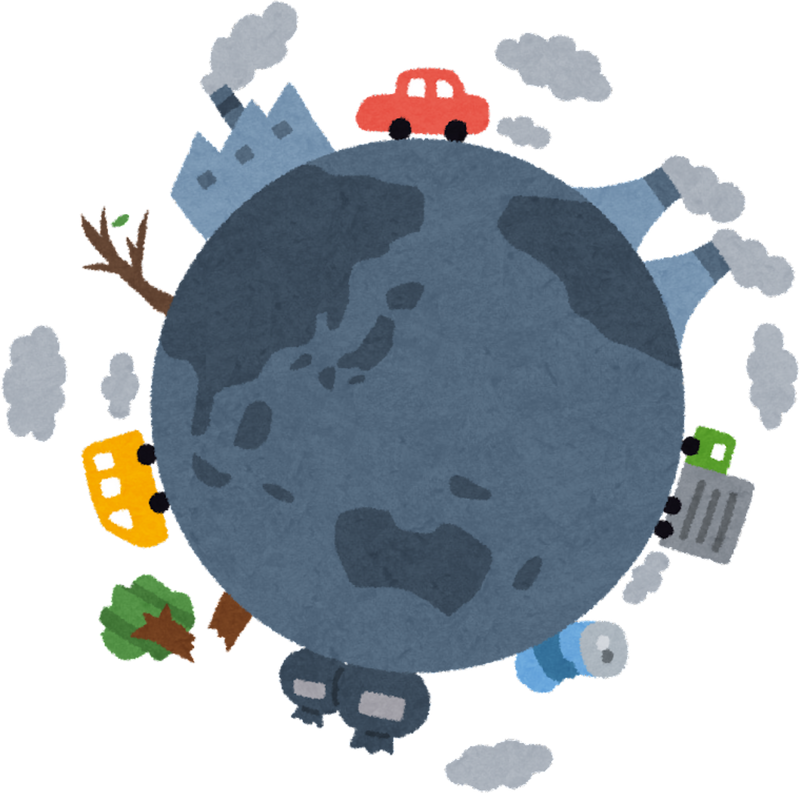
Germany is widely recognized for having one of the most efficient waste management and recycling systems in Europe. Yet, despite these strong structures, littering remains a persistent problem. In fact, a VKU study found that the disposal of cigarette butts costs approximately €225 million annually, while takeaway plastic cups account for an additional €120 million in cleanup costs each year. Beyond these economic consequences, littering has much broader negative effects than many people realize. When waste is discarded carelessly into the environment, it threatens ecosystems, harms plants and animals, and contributes to pollution. Plastic waste is especially damaging because it does not fully decompose and can eventually break down into microplastics that contaminate rivers, lakes, and oceans. Animals may accidentally consume littered waste, leading to injury, poisoning, or the spread of diseases.

The impacts of littering are also deeply social. Dirty streets, parks, and neighbourhoods reduce the quality of life for residents and make communities feel neglected and less safe. Public spaces lose their aesthetic value, which can discourage tourism and weaken people’s sense of pride and belonging within their communities, as well as encourage crime. Studies have shown that when areas appear polluted or poorly maintained, people are more likely to continue littering, creating a cycle of environmental neglect. Immigrant and low-income communities are often concentrated in environmentally neglected neighbourhoods such as Dortmund’s Nordstadt or Duisburg’s Marxloh where affordable housing is limited and public infrastructure is underfunded. Overcrowded housing, insufficient waste collection, poorly maintained public spaces, and inadequate sanitation services encourage waste accumulation and become difficult to manage. In some cases, temporary refugee shelters also face overcrowded and unsanitary conditions, placing additional pressure on residents who are already navigating social and economic challenges. This demonstrates that environmental issues such as littering is not only about individual behaviour, but also closely linked to social inequality.

One important lesson I learned from Climate Diversity Forum is that climate justice is not only about governments or international agreements. It is also about individual responsibility. We often underestimate the power of small actions because they seem insignificant. But environmental problems are often the result of millions of small harmful actions repeated every day. The opposite is also true: millions of small positive actions can create meaningful environmental change.

We cannot always control global climate policies, but we can control the way we treat our environment every day. Climate justice is not only about large-scale environmental decisions. It also begins in our streets, parks, schools, neighbourhoods, and communities. A cleaner environment creates healthier and fairer living conditions for everyone. Sometimes, real change begins with something as simple as choosing not to throw trash on the ground. In the end: small actions can create a big climate impact!
Leave a Reply

Logo BreachBuilders
This blog Series brings together voices, ideas, and lived experiences at the intersection of climate justice, migration, and youth while highlighting pathways for collective action. Enjoy!

Blog articles