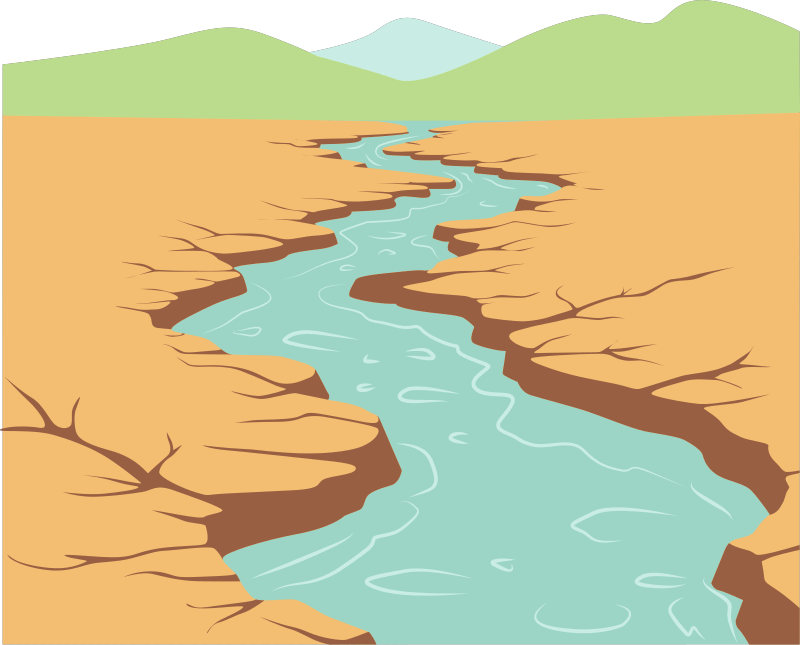
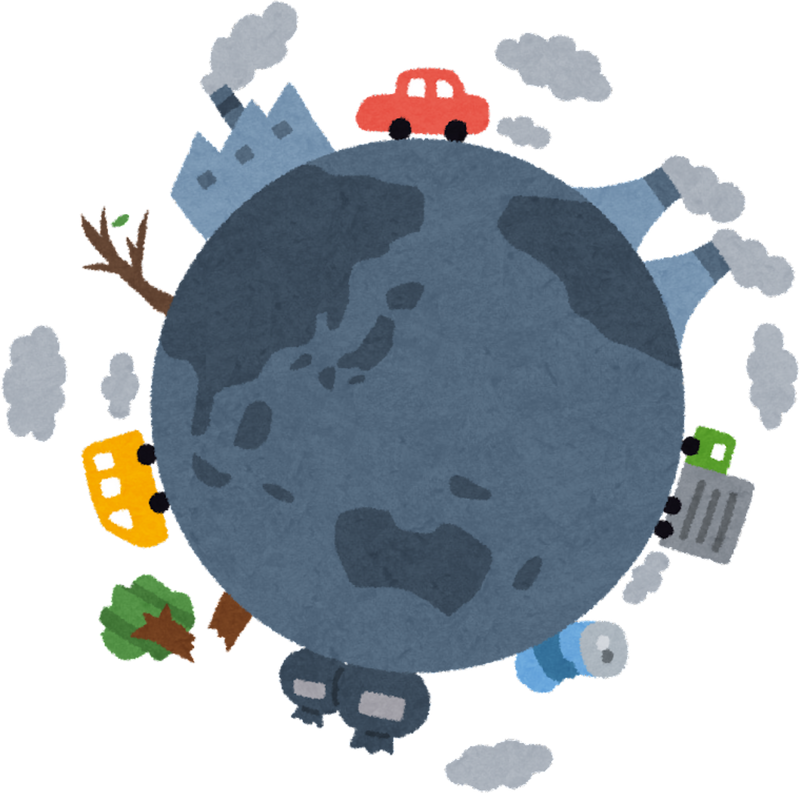
On December 17, 2023, I visited a community in Reang Til village, Reang Til commune, Kandieng district, Pursat province. Upon our arrival, we were shocked by the area’s poor condition during the dry season. The entire area had a strong, unpleasant odour due to trash being dumped everywhere during the dry season. As I strolled around the village, trashes were everywhere. Burning, burying, and open dumping are common dangerous waste disposal techniques used by rural households. These behaviors endanger human health and contribute to environmental deterioration.
Many children in the village lack adequate care and are particularly vulnerable to the effects of contaminated water. Exposure to polluted water, especially during critical stages of development, poses serious health risks and can negatively affect their growth, well-being, and long-term health. I felt deeply saddened watching children swim and play in the lake, their faces filled with joy and innocence. They told me that all the children swam in the lake daily. While I was taking photos and videos of the stunning sunset and the children laughing with their friends, I was surprised and disturbed to see an elderly woman slowly walking down to the lake and dumping trash directly into the water—right in front of the children!