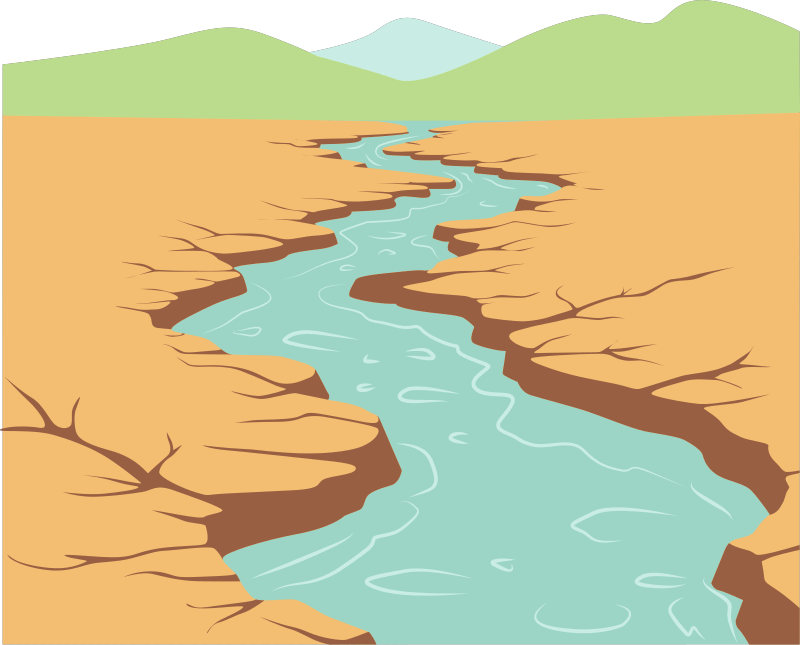
Who hasn’t heard of the Great Green Wall of China, built centuries ago to protect the ancient eastern kingdom from invaders? Fast forward a thousand years, and a similar wall is rising across Africa, but this time, with trees, not stones, and the invader is desertification.
Launched in 2007 by the African Union, the Great Green Wall initiative aims to restore degraded land across the Sahel region, stretching roughly 8,000 kilometres from Senegal in the west to Djibouti in the east. More than 20 African countries are involved, including Senegal, Mali, Niger, Nigeria, Chad, Sudan, Ethiopia, and Eritrea. Desertification goes beyond environmental degradation; it undermines the livelihoods of local communities and intensifies challenges such as food insecurity, poverty, conflict, displacement, and broader social instability.
Since its inception, millions of hectares of land have been restored and hundreds of millions of trees planted, helping to revive farmland, create jobs, and improve food security. Rather than standing as victims of climate change, African nations have come together as active agents of positive change, demonstrating leadership and resilience in the face of environmental threats.
The project has delivered many positive outcomes, including improved soil fertility, increased agricultural productivity, and new economic opportunities for rural communities. In some regions, restored land has allowed farmers to grow crops again, while tree planting has helped reduce soil erosion and protect biodiversity.
However, the Great Green Wall also faces significant challenges. Limited funding, political instability in parts of the Sahel, climate extremes such as prolonged droughts, and the sheer scale of the land to be restored have slowed progress in some areas.
Ultimately, the Great Green Wall underscores the importance of collective action in confronting the adverse effects of climate change. No single country can tackle desertification alone, just as no single community can reverse environmental degradation without support from others.
Regional partnerships, shared knowledge, and global cooperation are essential to building sustainable solutions that benefit both people and the planet. The story of the Great Green Wall reminds us that environmental challenges demand unity, responsibility, and long-term thinking, because in a world increasingly shaped by climate change, no one is an island, even those are disappearing due to rising sea levels!