
When the Smallest Voices Face the Biggest Storms
In a village like Edoh-Wowuikopé in southern Togo, one flood can destroy an entire year of work. Fields disappear under water. Fragile homes crack or collapse. Families who were already struggling are forced to begin again. From a distance, this may look like a natural disaster. But for those living through it, it is something deeper: climate injustice.
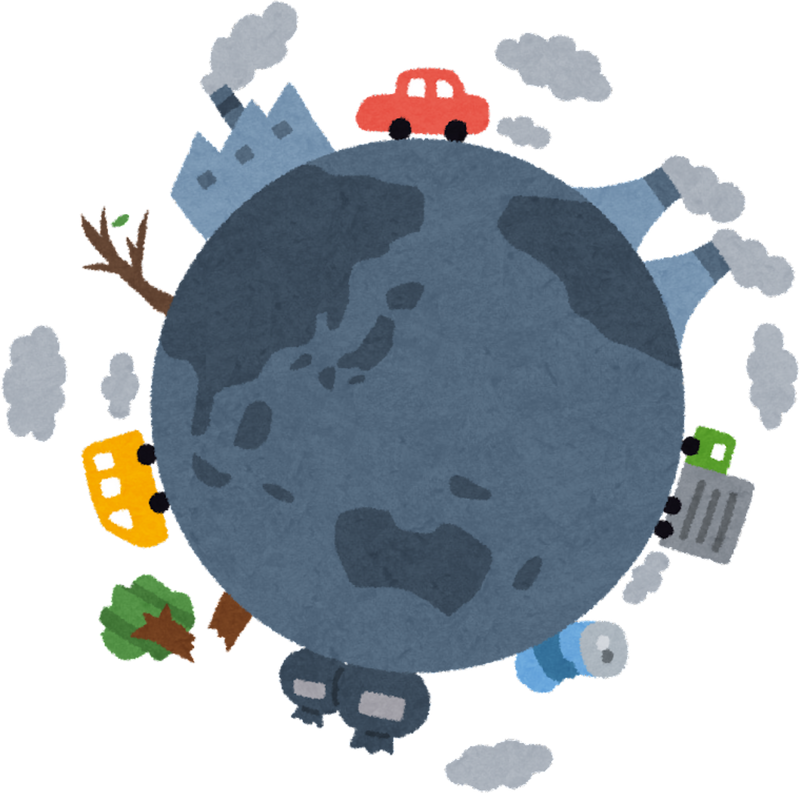
Togo contributes only a tiny share of global greenhouse gas emissions (0.02%), yet it is among the countries most vulnerable to climate change. This is the cruel imbalance at the heart of the climate crisis: those who have done the least to cause it are often the first and hardest hit.
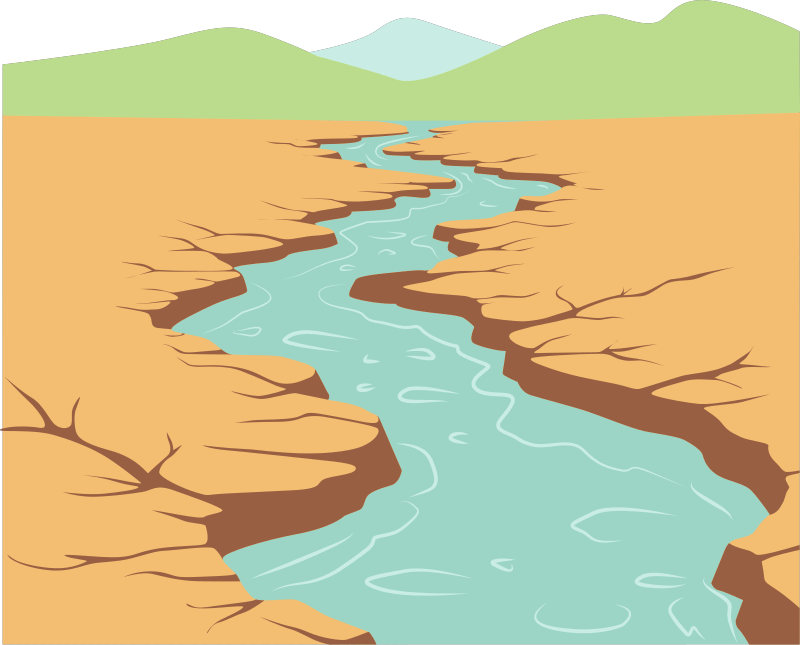
This vulnerability is made worse by Togo’s dependence on agriculture. As rainfall becomes less predictable and heatwaves and droughts become more frequent, farmers struggle to maintain their harvests, placing livelihoods, food security, and household incomes at risk.
Across Togo, climate change is already reshaping daily life. Farmers can no longer rely on predictable rainy seasons. Floods destroy homes and harvests. Coastal erosion is eating away land, memories, and livelihoods. Water sources are becoming more insecure, while rising heat increases health risks for children, older people, pregnant women, and outdoor workers.
For rural families, the crisis is not abstract. When crops fail, households lose income, food, and sometimes the tools or livestock they need to recover. When floods return again and again, rebuilding becomes almost impossible. When the sea takes land, it also takes history, graves, homes, and belonging.
But climate crisis do not affect everyone equally. In Togo, women, rural households, young people, coastal communities, and people already living in poverty carry the heaviest burden. Women often face longer hours collecting water and caring for families during crises. Young people see farming livelihoods disappear and are pushed toward cities that are also vulnerable to flooding. Families displaced by floods or coastal erosion often remain invisible in international legal systems.
This is why climate justice must mean more than adaptation projects. It must mean accountability. Togo is already taking action through climate plans, early warning systems, adaptation strategies, and emissions reduction commitments. But the scale of the crisis is far beyond what a low-income country can finance alone. Communities on the front lines cannot wait for symbolic promises while their homes, farms, and futures disappear.
Climate justice for Togo requires urgent loss and damage finance, stronger protection for climate-displaced people, investment in local adaptation, debt justice, and genuine participation of affected communities in climate decision-making. The people of Edoh-Wowuikopé did not create the climate crisis. They did not profit from fossil-fuel industrialisation. Yet they are paying for it with their land, health, livelihoods, and futures.
The first step toward justice is to listen to those who are already living the future the world was warned about.





Une réalité amère, souvent prise et connue comme fatale.
This article raises some truly relevant and worrying issues.
Climate injustice is a reality, and this post is particularly timely, as it contributes to highlighting what often remains invisible: the voices that are emerging but are still not sufficiently listened to.
Daniel