Climate Change and Nutrition: Why It Matters to All of Us
Have you noticed your grocery bill lately?
You walk into the store to grab a few basics, some fresh vegetables, fruit, maybe some bread, and the total at the payment counter makes you blink twice. We usually shrug it off as inflation or complicated supply chain issues but there is a much bigger, quieter force messing with our food. Let’s talk about climate change!
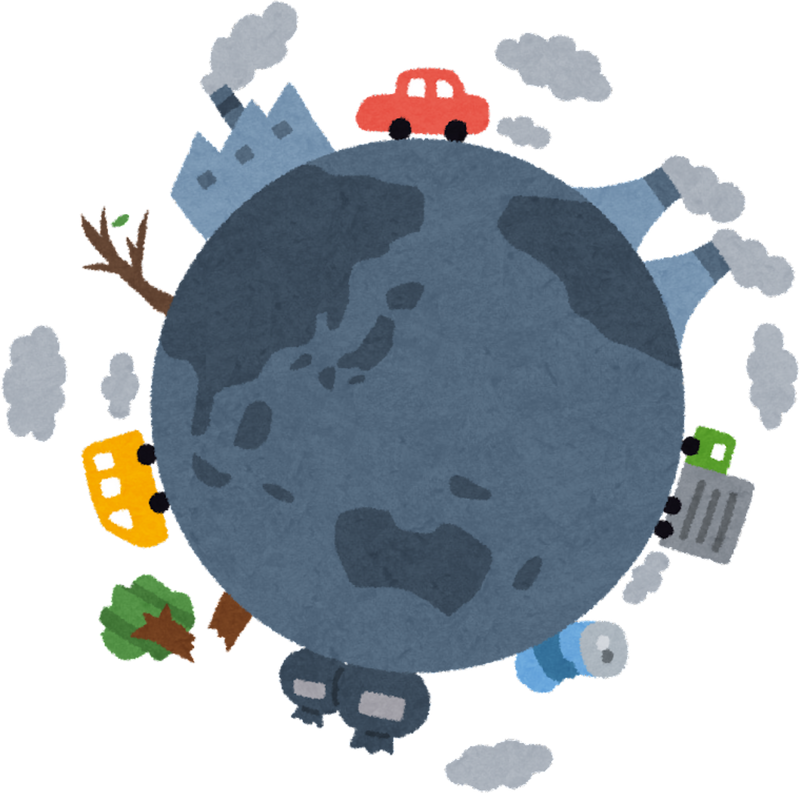
When we hear those two words, most of us picture melting ice caps or distant polar bears. It feels like an environmental problem happening somewhere else. However, climate change is actually sitting right there on our dinner plates. It is fundamentally changing how we eat, what we can afford, and who gets to be healthy.

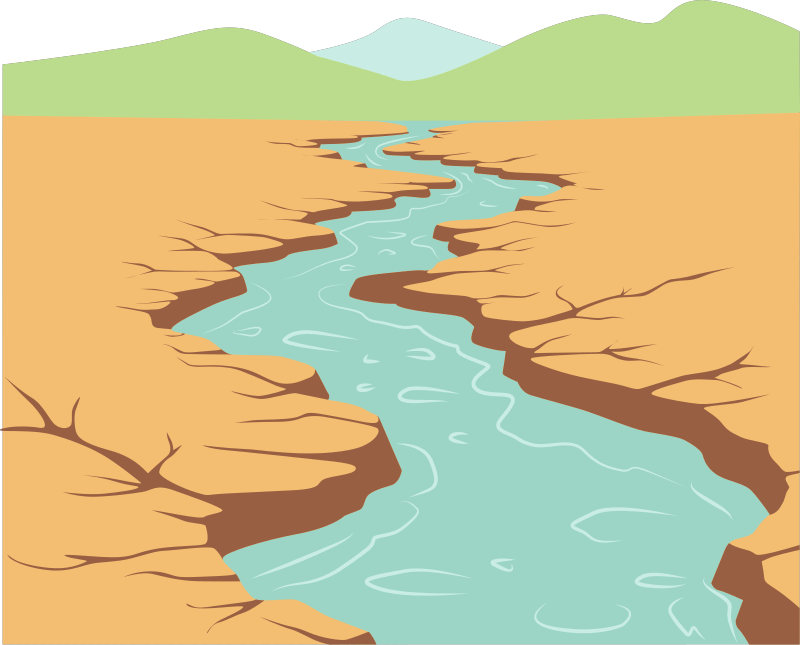
Think about how food is actually grown. It relies on a delicate, predictable rhythm of rain and sunshine. Climate change has completely scrambled that rhythm. Farmers who have worked the same land for generations are suddenly facing weather they simply do not recognize. Sometimes it’s a brutal drought that bakes the soil until it cracks. Other times, it’s a sudden, violent flood that washes away an entire season of hard work in a single afternoon. When extreme weather destroys crops, the food that survives becomes incredibly precious. In our world, precious means expensive.
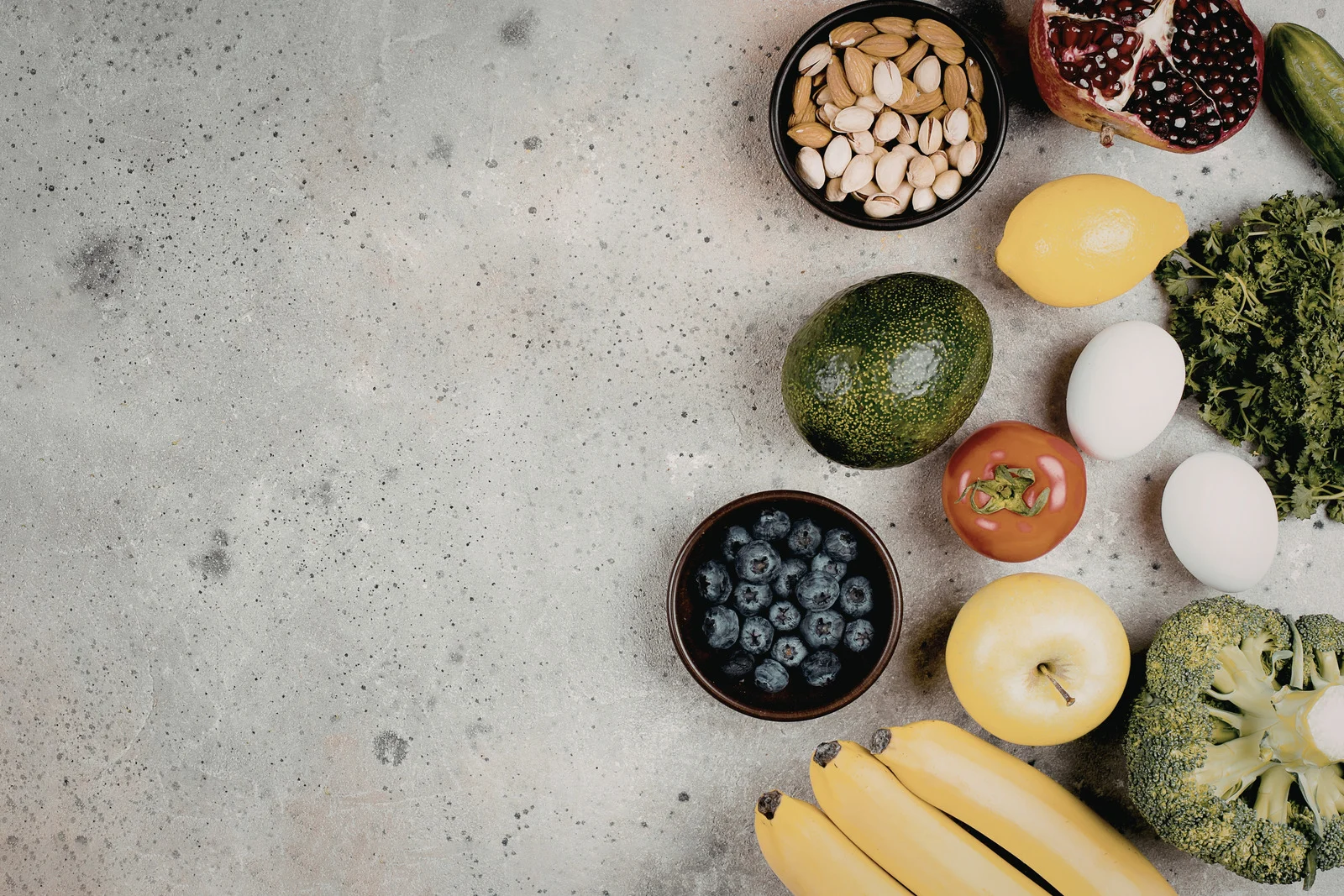
This is where the climate crisis becomes a nutrition crisis. When the price of fresh produce skyrockets, families have to make impossible choices. If you only have a tight budget to stretch throughout the week, you can’t always afford the fresh greens or the nutritious whole foods. You are forced to buy cheaper, highly processed options just to make sure your kids don’t go to bed with empty stomachs. It is a quiet tragedy. People aren’t just losing access to food; they are losing access to the vital nutrients their bodies need to grow, fight off illness, and thrive.
The numbers behind this are hard to stomach. Right now, roughly 735 million people around the world are facing chronic hunger. Just pause and think about that for a second. It’s a massive, heartbreaking amount of people and it’s getting worse. Since 2019, another 122 million people have been pushed into this daily struggle for food. While the pandemic and global conflicts played a role, the increasing chaos of our changing climate is a huge driver behind this spike. The part that really stings is how unfair this all is.
This crisis does not hit everyone equally. The communities bearing the absolute worst of the impact are almost always the ones who did the least to cause the problem in the first place. Imagine a small farming community in a developing nation, or a low-income neighborhood right down the road. They aren’t the ones flying private jets or running massive, polluting factories. Their carbon footprint is tiny. Yet, when the floods come or the grocery prices spike, they are the very first to suffer.
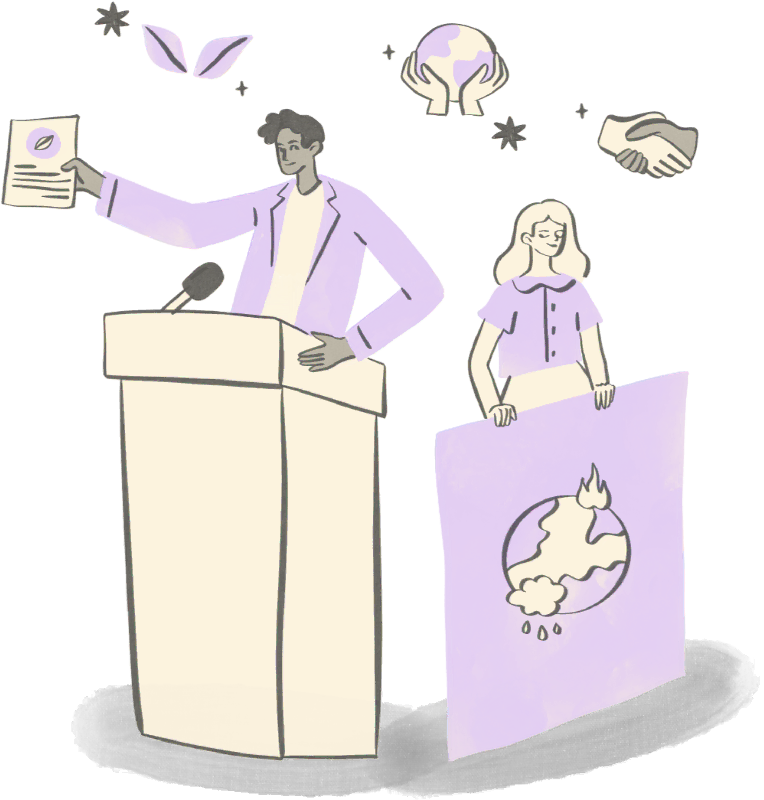
This is what people mean when they talk about climate justice. It is the simple recognition that it is deeply wrong for the people who contribute the least to global emissions to suffer the most from their consequences.
I know this all sounds heavy. It’s heavy. But feeling overwhelmed doesn’t help anyone, and we are far from helpless.
We can change the way we approach this crisis. We just need to remember that protecting the environment and protecting human health are the exact same fight. We need to demand and support climate solutions that are truly inclusive.
What does that look like? It means backing programs that help small farmers adapt to wild weather so they don’t lose their livelihoods. It means supporting policies that protect our food supply chains and keep nutritious food affordable for everyone, not just the wealthy. It means listening to vulnerable communities who know exactly what they need to survive, and giving them the resources to build it.
Because if we fix our systems, we aren’t just saving the planet. We’re making sure that every person, no matter where they live or how much money they have, has a fair shot at a healthy, nourished life. And that is a future worth fighting for!