Silencing by Trolls; What Online Abuse Does to Young Women
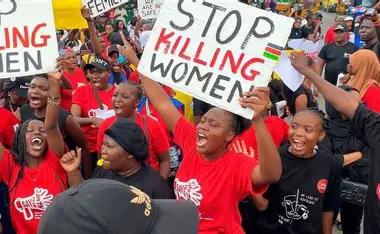
The prevalence of online abuse against young women is currently high, and its occurrence is mainly in a gendered and sexualized way. Well, you might ask yourself, do men also experience online abuse? The answer is a definite yes! However, women are much more likely to receive sexist comments, rape threats, and attacks that focus on their appearance and bodies in relation to what they post on their social media.
“The main thing that goes through my head every time I tweet anything feminist in nature is I’ll probably get death threats if this gets any traction”. One social media user says.
The violence that young women experience online is increased even more by intersecting forms of discrimination. Women who identify as Indigenous, Black, disabled, LGBTQ+, or from other minority communities often face targeted and more severe attacks.
According to a recent UN women survey, 70 per cent of women participants who work in the fields of human rights, activism and/or journalism said that they had experienced online violence in the course of their work. For young women in politics for instance, their worth is especially questioned based on gender in ways that male peers do not experience.
Laura Bates, an author and founder of the Everyday Sexism Project once warned that, “We are seeing young women and teenage girls experiencing online harassment as a normal part of their existence online.It’s an invisible issue right now, but it might be having a major impact on the future political participation of those girls and young women. We won’t necessarily see the outcome of that before it’s too late.”
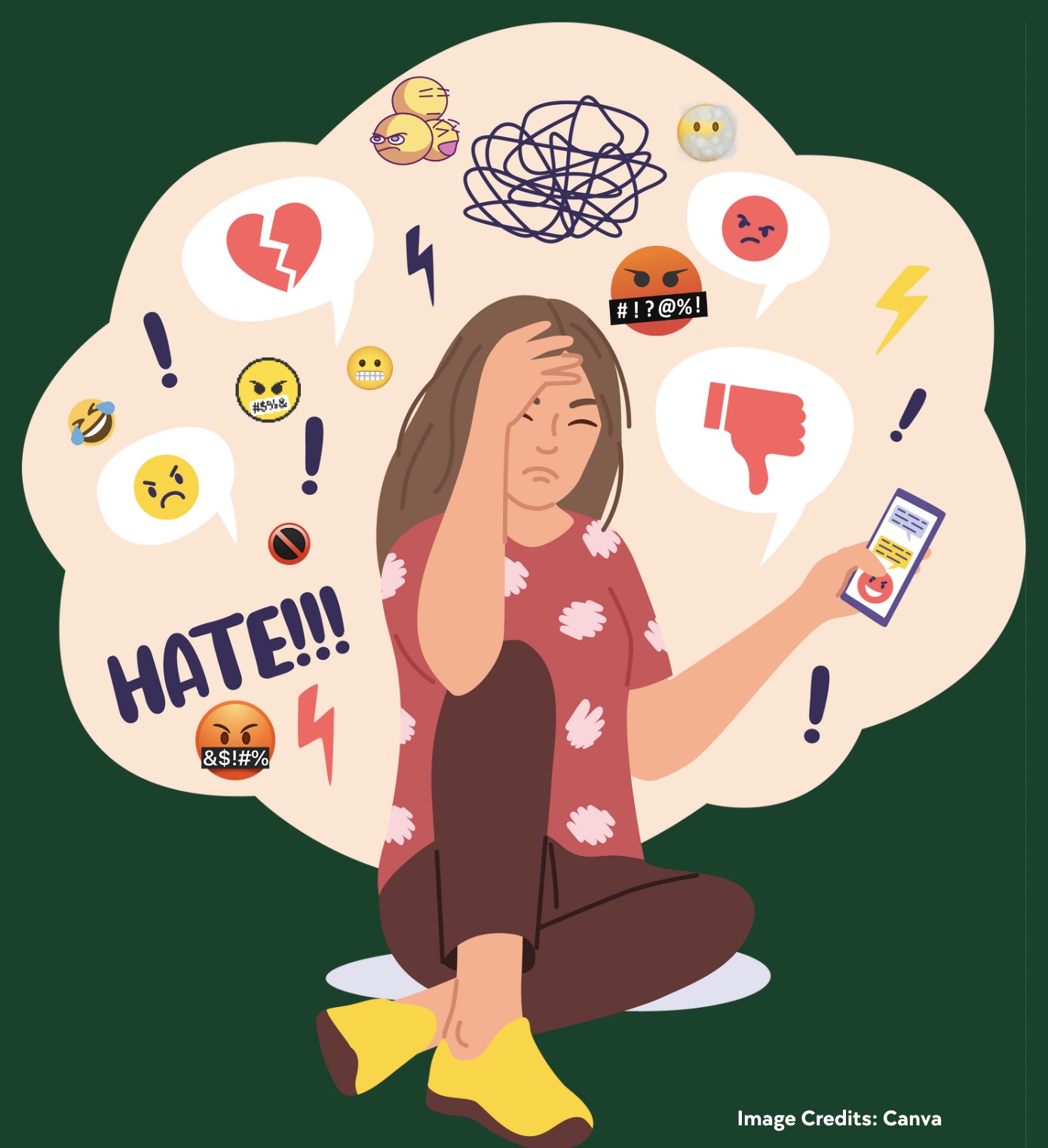
The worst consequence of online abuse against young women is probably its immense effect on expression and participation. The women end up self-censoring themselves and going silent. For example, they modify their behavior by changing how they use platforms, limiting their interactions, or leaving entirely.
Another social media user explains: “I definitely self-censor what I post. There are things that I don’t tweet about, even though I would have a couple of years ago. I think it’s just not worth the hassle and abuse.”
Including but not limited to anxiety, depression, low self-esteem, paranoia, and increased risk of self-harm, are some of the personal consequences that victims have to deal with every time they face online abuse.
But what exactly is the way forward to curb online abuse? Who exactly needs to act and how?
First of all, all social media platforms need to take responsibility for the violence that occurs on their platforms and have better and accessible reporting mechanisms. There needs to be ways to gather evidence of abuse, and faster removal of abusive content or trolls. Protection against impersonation and stronger privacy controls have to be adjusted as well.
Secondly, young women need to be taught skills not only on how to access and create content but also on how to engage with digital media in a critical way, identify and recognise various forms of online violence, and protect themselves.

Lastly, we need governments to strengthen and enforce laws against Technology Facilitated Gender Based Violence (TFGBV). While at it, ensure quick, practical, and accessible interventions for survivors.
Young women ultimately deserve a safe online space. Running away from it, going silent, and self-censoring are not options; taming the abusers is the option.